Every few months the AI industry discovers a new word for the same old habit: buzz, hype, momentum, breakout, domination. But the current fascination with Claude feels different from a simple model-launch cycle. As of April 6, 2026, the attention is not only about whether Anthropic has a strong model. It is about whether the frontier of AI has shifted from chatbots that impress to systems that actually work inside real workflows.
That is why the Claude conversation now spills across terminal tools, GitHub Copilot model pickers, long-context claims, agentic coding benchmarks, and product demos that look less like search and more like delegated work. The real story is not that Claude has become the only serious model in the race. It is that Claude has become a useful lens for seeing what the AI race has turned into.
The center of gravity has moved from chatbot charm to work output
or much of the public AI conversation, the question used to be simple: which model sounds smarter, faster, funnier, or more human in a chat window? That question still matters, but it no longer explains the mood of the market. What matters now is whether a model can survive contact with messy, high-friction work: large codebases, scattered context, long sessions, tool use, failed attempts, and decisions that must be revised rather than merely generated.
Claude fits this new moment unusually well. Anthropic has spent the last year pushing a story that is less about a magical assistant and more about a serious working system. The milestones tell that story clearly: Claude 4 on May 22, 2025, Claude Opus 4.6 on February 5, 2026, and Claude Sonnet 4.6 on February 17, 2026. Across those releases, the emphasis stayed remarkably consistent: coding, agents, computer use, long context, and reliable execution.
Coding has become the cleanest public battlefield
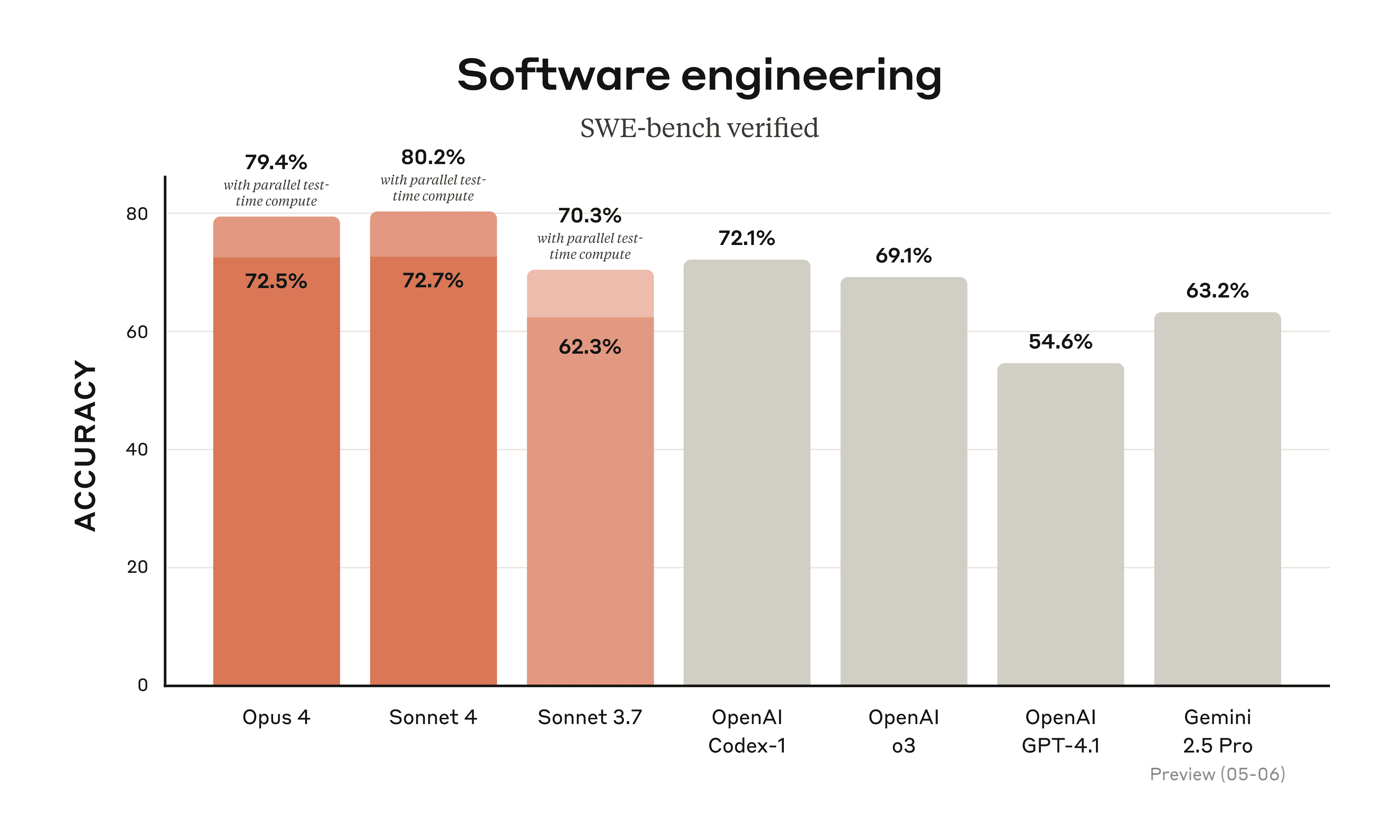
f you want to understand the present AI race, watch what happens in software engineering. Coding is unusually revealing because it forces a model to do more than generate plausible text. It must read context, preserve constraints, make edits across files, recover from failure, and remain coherent long enough to complete something nontrivial.
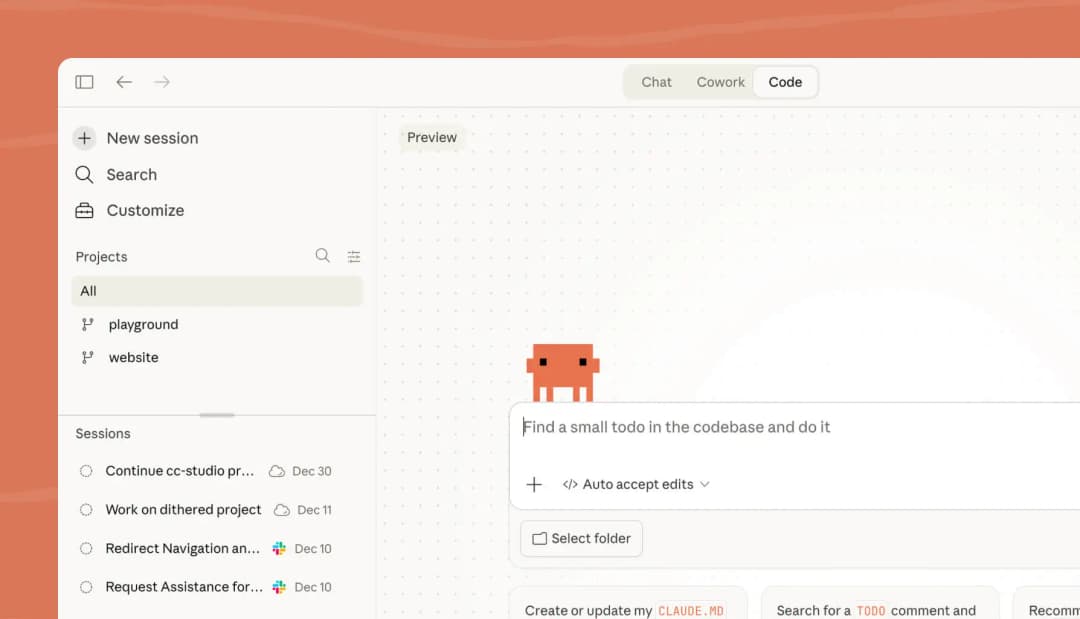
That is exactly where Claude has drawn unusual attention. Anthropic has repeatedly positioned its latest models around coding performance, and the product language around Claude Code is even more telling. The claim is not merely that Claude can help write snippets. The claim is that it can read a codebase, make changes, run tests, and behave like an agentic collaborator. Whether one agrees with every benchmark or every marketing line is secondary. The important point is what the market is now rewarding: sustained, tool-using competence.
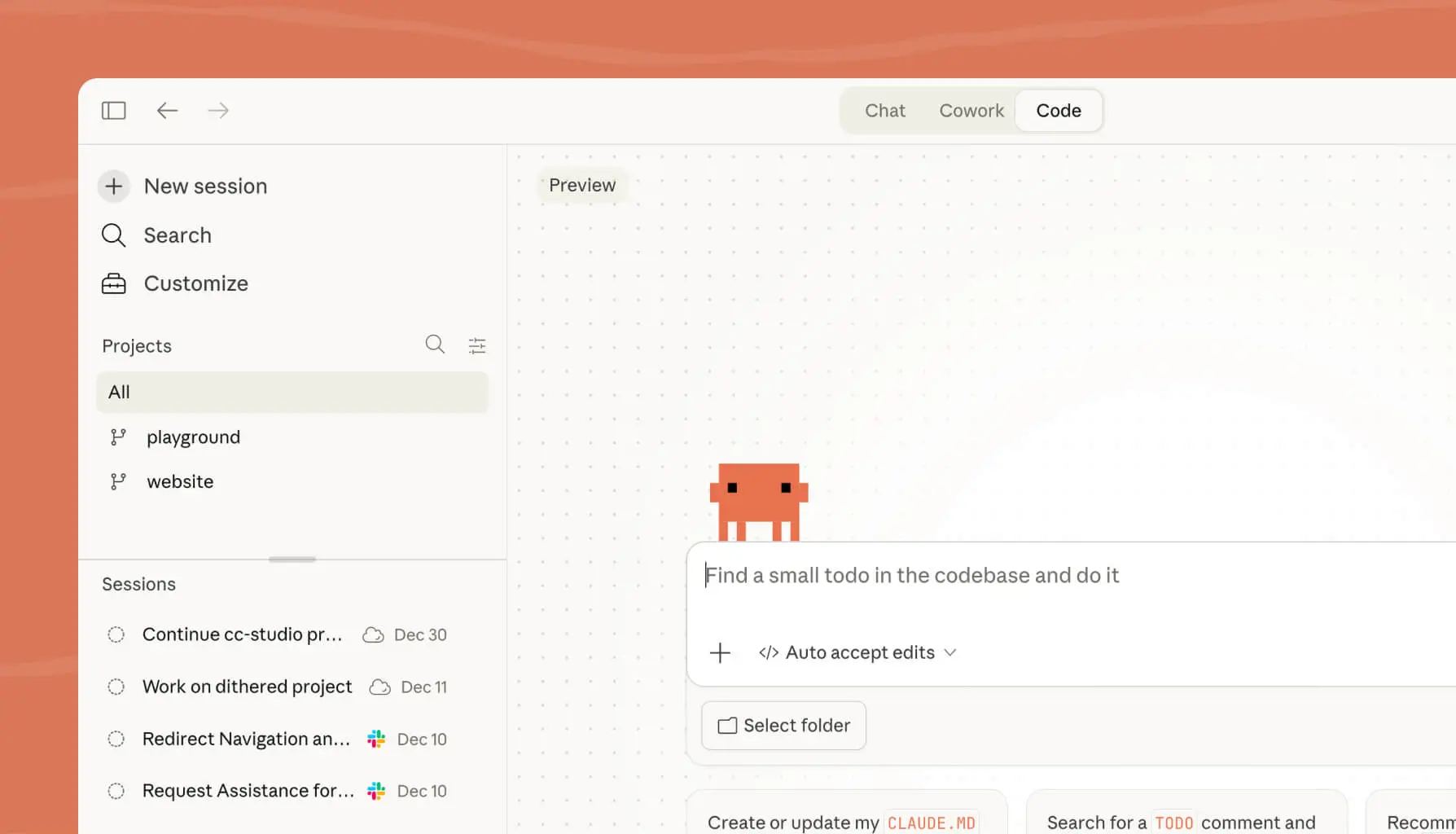
This is one reason the Claude buzz feels larger than Anthropic alone. Competitors are obviously strong, and no serious observer should pretend otherwise. But Claude has helped crystallize a new standard: a frontier model is expected to be good not only at reasoning in the abstract, but at operating inside the structures where professional work actually happens. Coding happens to make that shift easy to see.
Distribution is now part of model quality
ne of the most important lessons in today’s AI race is that model quality and distribution can no longer be separated cleanly. A powerful model that lives only in benchmark tables or occasional demos can still shape the research conversation, but it does not necessarily shape everyday behavior. A model becomes culturally and economically influential when it arrives where people already work.
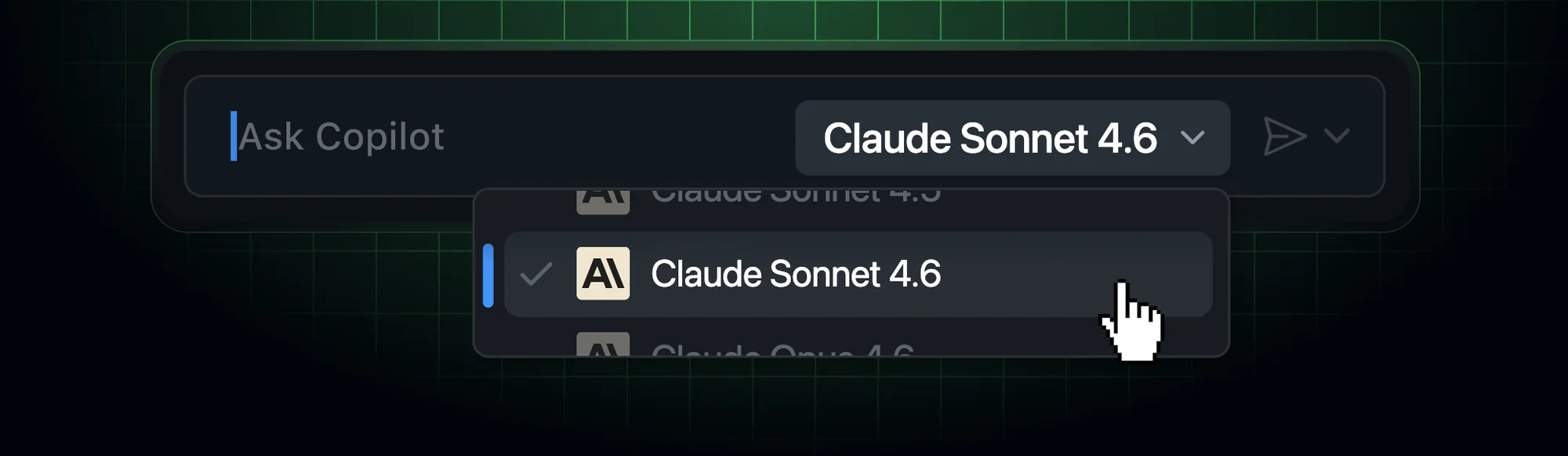
That is why the GitHub Copilot angle matters so much. When GitHub announced Claude Sonnet 4.6 availability in Copilot on February 17, 2026, the event was not just another compatibility update. It was a sign that the real race is now being fought across interfaces, defaults, integrations, and workflow capture. Once a model appears in the model picker of a tool developers already trust, it stops being a distant frontier lab product and becomes a daily decision.
Long context, memory, and tools have changed what users expect
nother reason Claude attracts attention is that its releases fit a broader shift in user expectations. People are no longer impressed simply because a model can answer a hard question. They want a system that can keep context alive, use tools intelligently, navigate files, summarize old context, search when needed, and remain useful after the novelty of the first answer fades.
That is why details such as 1M-token context windows in beta, extended thinking, tool use, memory features, and computer-use workflows matter so much in the public discussion. They point to a deeper shift: users increasingly judge a model as a working environment, not just a conversational engine.
In that sense, the Claude buzz is less a popularity contest than a transition marker. It tells us the public has started to internalize something researchers and builders already knew: the hardest part of useful AI is not producing one brilliant answer. It is maintaining quality across a chain of actions where context, tools, and judgment all interact.
The frontier race now looks more like systems competition than model competition
his is the larger lesson. The AI race has not stopped being a contest over models, but it has become much more than that. It now looks like a contest over complete systems: model quality, latency, interface design, coding agents, tool ecosystems, context handling, enterprise trust, cloud availability, pricing, and how gracefully a product fits into established work habits.
Claude is prominent in that race because Anthropic has pushed especially hard on the idea of an AI collaborator for serious knowledge work and software work. Whether Anthropic ultimately wins that race is still open. But the current wave of attention around Claude tells us something more durable than any one leaderboard: the center of competition has moved from single-turn brilliance to repeatable usefulness.
“The loudest signal in the Claude buzz is not that one company has ended the race. It is that the race now rewards models that can stay useful after the first impressive answer.
”
So what does the buzz really mean?
t means the market is converging on a tougher definition of intelligence. Not intelligence as trivia mastery, not intelligence as poetic fluency, and not even intelligence as benchmark leadership alone. Rather, intelligence as durable, situated performance inside real work.
That is why Claude feels so central to the current conversation. It has become one of the clearest symbols of this transition, especially in coding and professional workflows. Even people who prefer other models now talk about Claude in relation to code agents, terminals, context windows, review loops, and product integration. That vocabulary alone tells us how much the AI race has changed.
If I had to summarize the moment in one line, it would be this: Claude matters right now because it reflects the new rules of the game. The frontier is no longer just about producing remarkable text. It is about building AI systems people can reliably put to work.