The present wave of attention around Claude is easy to describe in market language and much harder to describe in scientific language. The market asks: Is it leading? Is it winning? Is it the coding model people want right now? A scientific perspective asks different questions: Useful for what? Under what conditions? With what failure modes? And perhaps most importantly, what kind of trust is justified by the available evidence?
As of April 6, 2026, the Claude discussion is no longer just about conversational fluency. It increasingly centers on code editing, agentic execution, long context, safety evaluations, and deployment discipline. That shift is important because it makes the Claude wave a useful case study in how frontier AI should be assessed: not as a single scalar capability, but as a system whose performance depends on task design, interface, tooling, adversarial conditions, and governance.
Usefulness is not a property of the model alone
n scientific work, one of the fastest ways to misunderstand a system is to treat performance as an intrinsic property detached from context. Frontier models are especially vulnerable to this mistake. People say a model is “good at coding” or “good at reasoning” as if those were stable, context-free truths. In practice, useful behavior depends on a coupled system:
where M is the model, T the task, C the available context, S the scaffolding or tool environment, and H the human oversight loop. This framing is not a rhetorical trick. It is the simplest way to explain why the same model can look brilliant in one workflow and brittle in another.
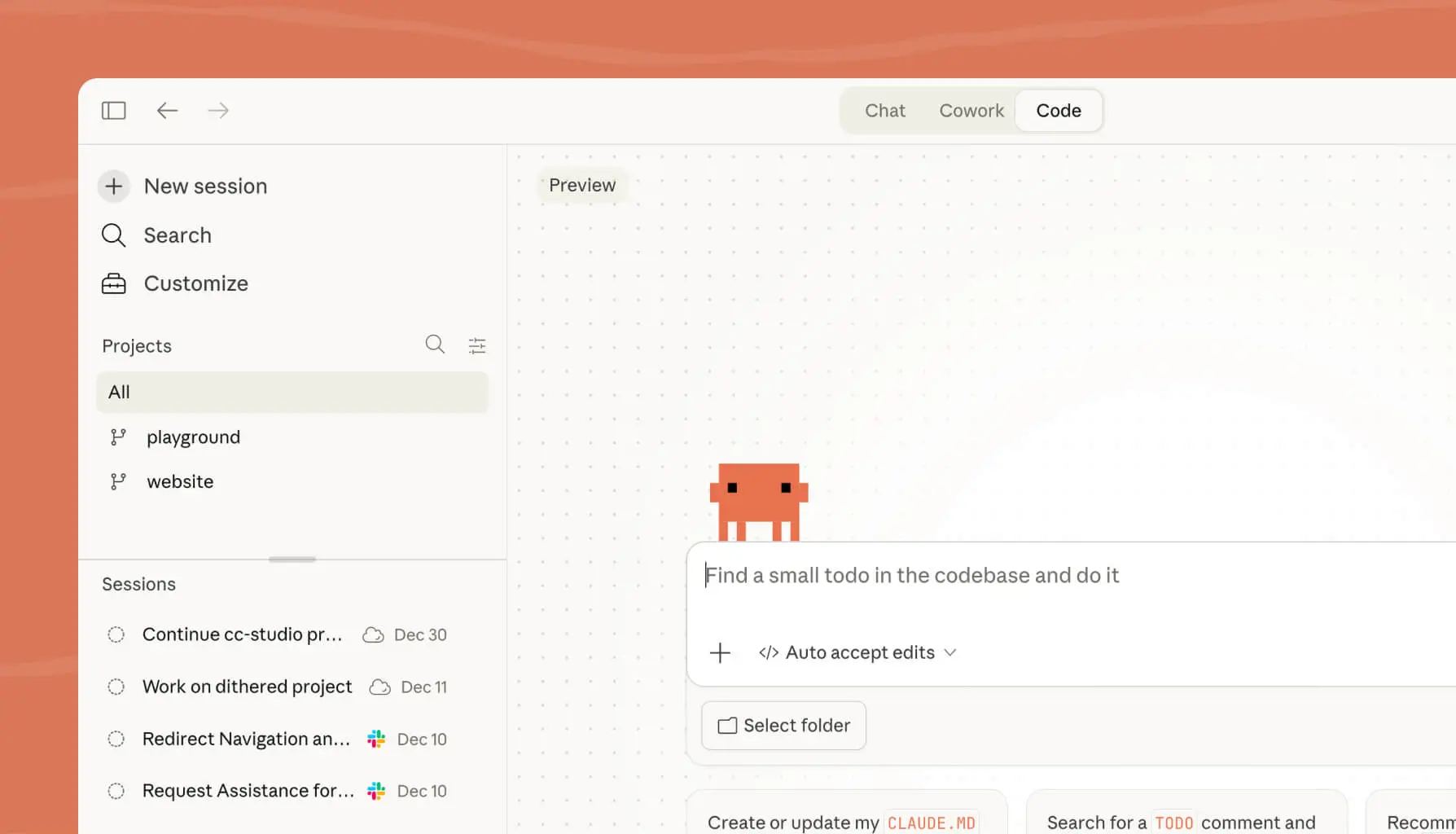
Claude’s current reputation is strongly tied to configurations where this full system works in its favor: coding environments, longer tasks, tool use, structured prompts, file access, and repeated interaction instead of one-shot answers. That is precisely why products like Claude Code matter scientifically. They are not just UX wrappers around a model; they are part of the causal pathway that converts raw capability into observed usefulness.
Why Claude looks especially useful in technical workflows
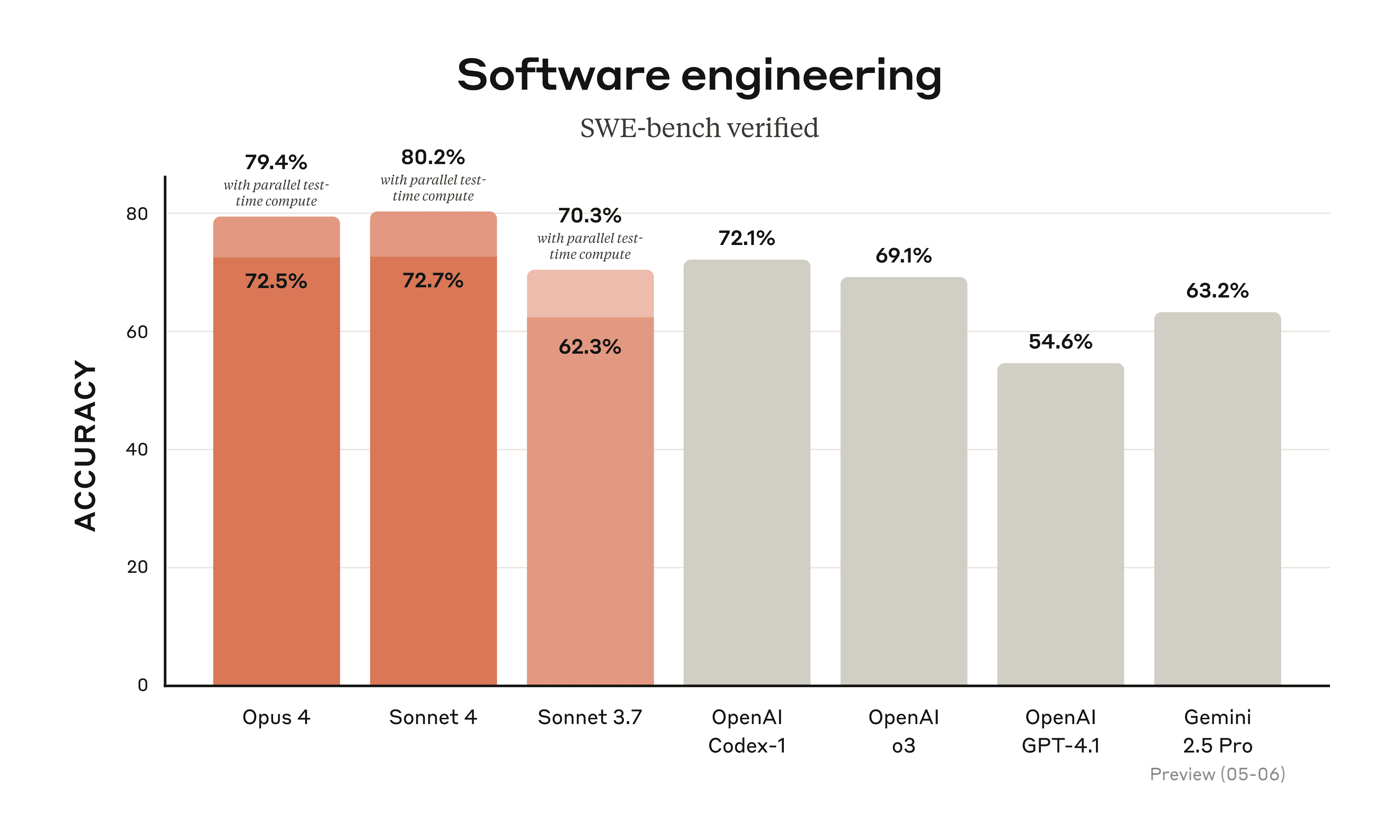
here are several reasons Claude performs well in the kinds of settings that currently dominate public discussion. First, many high-visibility tasks now emphasize multi-step agentic coding: searching a codebase, locating constraints, editing multiple files, interpreting test failures, and trying again. These are environments where long context and stable task tracking matter more than eloquence.
Second, the current evaluation culture increasingly rewards performance on software engineering tasks that are economically legible. That changes the public meaning of model quality. A benchmark result on a coding task is not automatically equivalent to broad intelligence, but it is easier for teams to map onto daily work than a generic reasoning score. This is one reason the Claude wave feels unusually concrete: its strongest public claims sit closer to workflows developers recognize immediately.
Third, Anthropic has paired capability claims with stronger public-facing documentation than many users expect. System cards, governance language, Constitution references, and Responsible Scaling Policy updates do not eliminate risk. But they do make Claude easier to discuss in scientific and deployment terms than if it were marketed only through demos and slogans.
The main limits are not accidental noise
scientific perspective becomes valuable precisely when enthusiasm rises, because that is when people become most tempted to treat limitations as small exceptions. They are not. For systems like Claude, limits are structured. They appear in recognizable clusters.
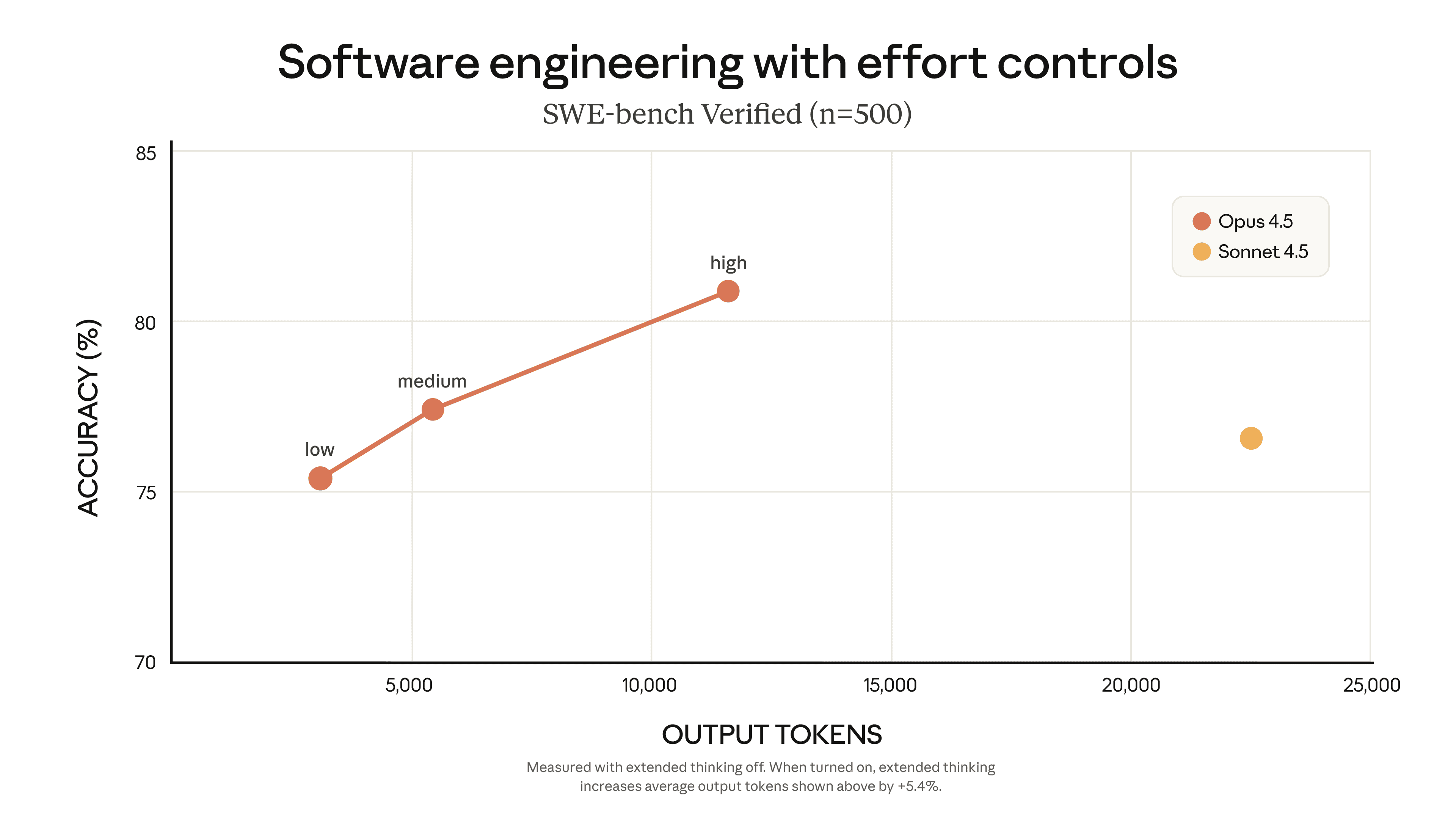
One cluster concerns evaluation dependence. Performance is highly sensitive to prompt scaffolding, allowed tools, context packaging, compute or “effort” settings, and how success is scored. A benchmark can be meaningful without being universal. This does not make evaluations useless; it means their domain of validity must be respected.
A second cluster concerns context and control fragility. Long context windows are useful, but a large window is not the same as reliable long-horizon reasoning. Retrieval, prioritization, local coherence, and failure recovery all matter. Models can hold more information than they can consistently organize.
A third cluster concerns adversarial surfaces. Prompt injection, tool misuse, hidden instructions, poisoned context, and environment-level attacks are not marginal edge cases for agent systems. They are central technical problems.
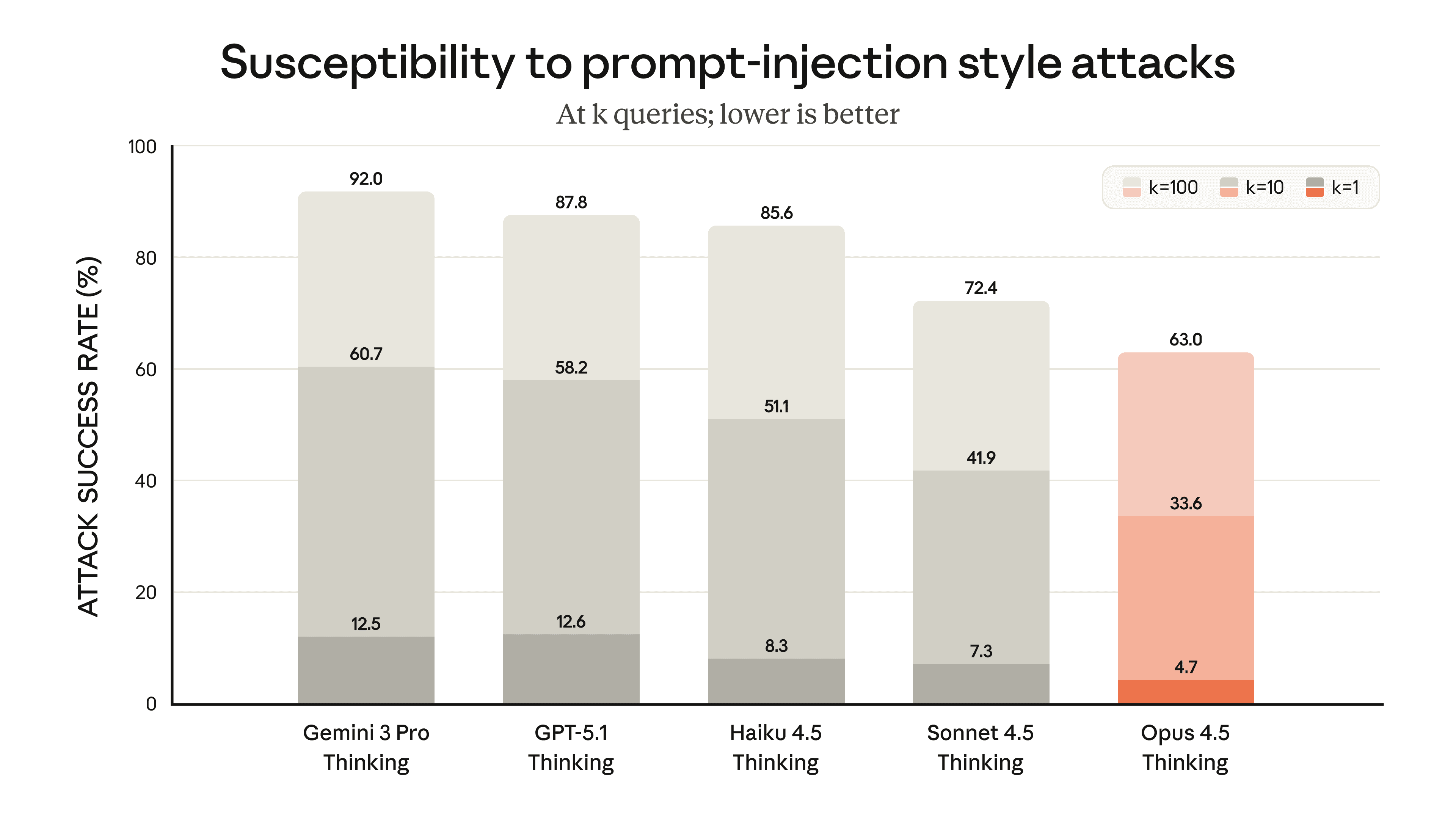
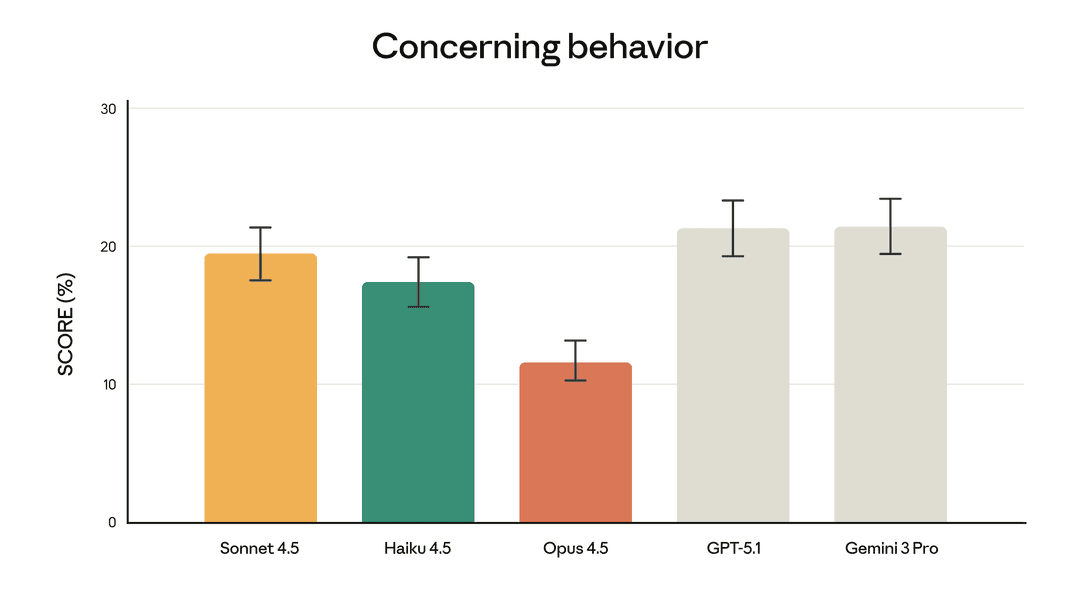
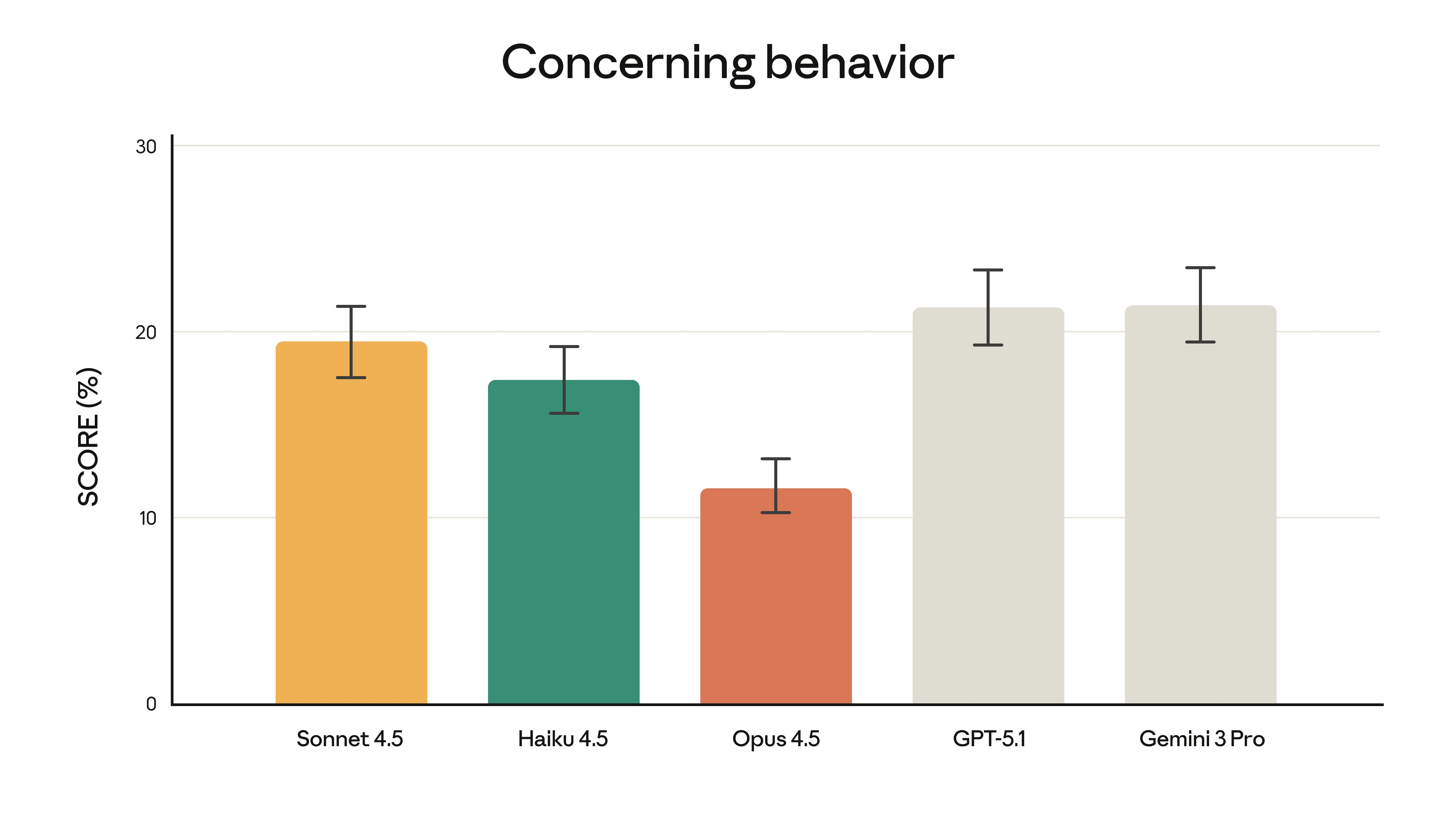
This is where the scientific discussion becomes more serious. Once a model is used as an agent rather than only as a text generator, the question is no longer “Can it answer well?” but “How does it behave when context is manipulated, instructions conflict, or the environment itself becomes part of the attack surface?” Anthropic’s public evaluations around prompt injection and concerning behavior are valuable precisely because they make this problem explicit.
Trust should be treated as calibration, not belief
rust in AI is often discussed too emotionally. People either trust a model because it feels impressive, or distrust it because it fails in visible ways. A more useful scientific stance is to define trust as calibrated expectation under uncertainty. That means asking what the evidence actually supports, and what it does not.
Here C denotes demonstrated capability, R robustness under stress and attack, O observability of failure, and G governance or deployment discipline. A system can be impressive on one term and weak on another. That is exactly why trust cannot be reduced to leaderboard position.
In Claude’s case, there are real reasons to take the trust question seriously rather than dismiss it as marketing. Anthropic publishes model system cards, refers openly to its Constitution and Responsible Scaling Policy, and documents evaluations around misuse, concerning behavior, and adversarial robustness. Those are meaningful signals. They create an inspectable trail of claims, methods, and deployment judgment.
But calibration requires symmetry. The same evidence that supports limited trust also supports limited caution. Public documentation does not imply full transparency; benchmark leadership does not imply universal reliability; improved safety scores do not imply immunity to misuse or misgeneralization. Trust becomes justified only when paired with boundaries: what tasks are in scope, what monitoring exists, what forms of human review remain necessary, and what classes of failure are still unresolved.
Speculation is part of the Claude wave, but speculation is not evidence
nother scientifically interesting feature of the Claude wave is that it has already generated a secondary layer of forward-looking commentary about unreleased or rumored futures. A good example is Dr. Dipen’s March 30, 2026 Newline article titled Meet Claude Mythos: An Advance AI Model that is yet to be released in future from Anthropic. Even without treating such writing as technical confirmation, its existence is revealing.
Why? Because speculation changes user priors. Once the public conversation starts projecting future Claude variants, benchmark expectations, security capabilities, or enterprise applications before official release, the model ecosystem stops being evaluated only on current evidence. It is evaluated on a mixture of measured results and anticipated trajectories.
That mixture matters operationally. Teams may over-attribute capability, researchers may unconsciously shift baselines, and product decisions may be influenced by narrative momentum rather than validated deployment data. From a scientific standpoint, speculative discourse is therefore not irrelevant, but it belongs in a clearly different category from system-card evidence, public evaluation methodology, or documented deployment policy.
The Claude wave becomes much easier to reason about once these categories are separated. Excitement can be informative. Speculation can be interesting. But trust should still be anchored to the first category.
A practical scientific checklist for judging the Claude wave
or researchers, engineers, and technical teams, the right response to the Claude wave is neither dismissal nor surrender to hype. It is disciplined inspection. I think five questions matter most:
These questions shift the discussion from fandom to engineering. They also help explain why the Claude wave matters beyond Anthropic itself. It is a test case for how the frontier is now judged: not by raw model spectacle alone, but by whether capabilities can be integrated, measured, bounded, and governed.
Conclusion: usefulness deserves excitement, trust deserves method
laude deserves attention because it sits near the leading edge of a real technical transition: frontier models are increasingly evaluated as working systems rather than chat engines. In that sense, the excitement is not irrational. There is genuine usefulness here, especially in coding, tool use, and structured knowledge work.
But a scientific perspective insists on a second sentence. Usefulness does not cancel limits, and trust is not earned by excitement alone. The most mature reading of the Claude wave is therefore not triumphalist. It is methodological. Claude is useful, sometimes very useful. Claude also has limits that matter technically and operationally. And trust in Claude, as in any frontier model, should remain evidence-based, scoped, and continuously recalibrated.
My own conclusion is simple: the Claude wave is worth taking seriously, but only if we discuss it with the language of science rather than the language of inevitability. The useful question is not whether Claude is “the winner.” It is whether we can measure, constrain, and trust its strengths with enough rigor to use them well.